
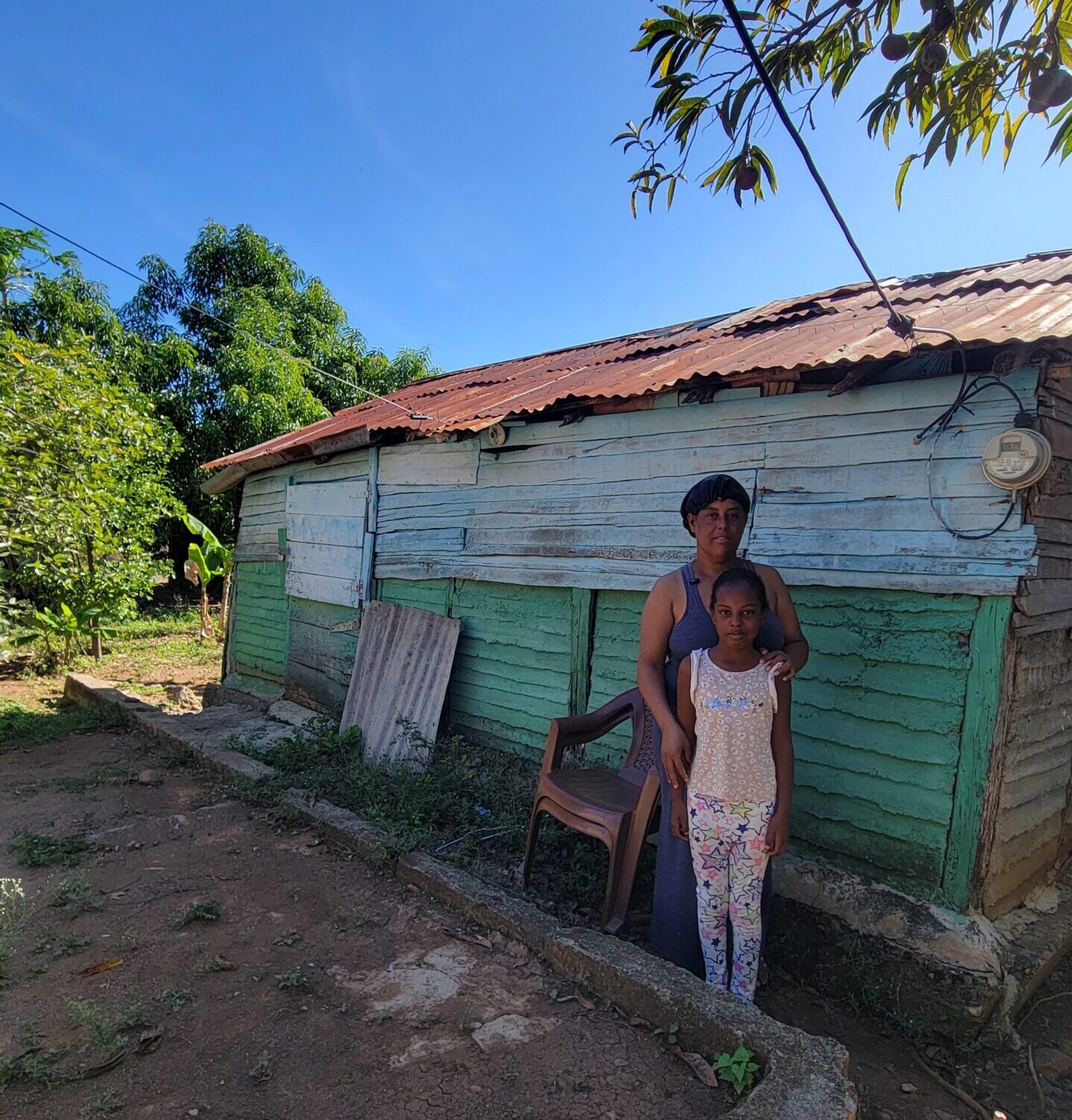

Adriana Mora is 42 years old and has lived in her community for most of her life. She lives with her two children, ages 22 with special conditions, and 9, whom she cares for while working to support her household.
Adriana works as a community health promoter and has been dedicated to this role for several years, serving and supporting others in her community.
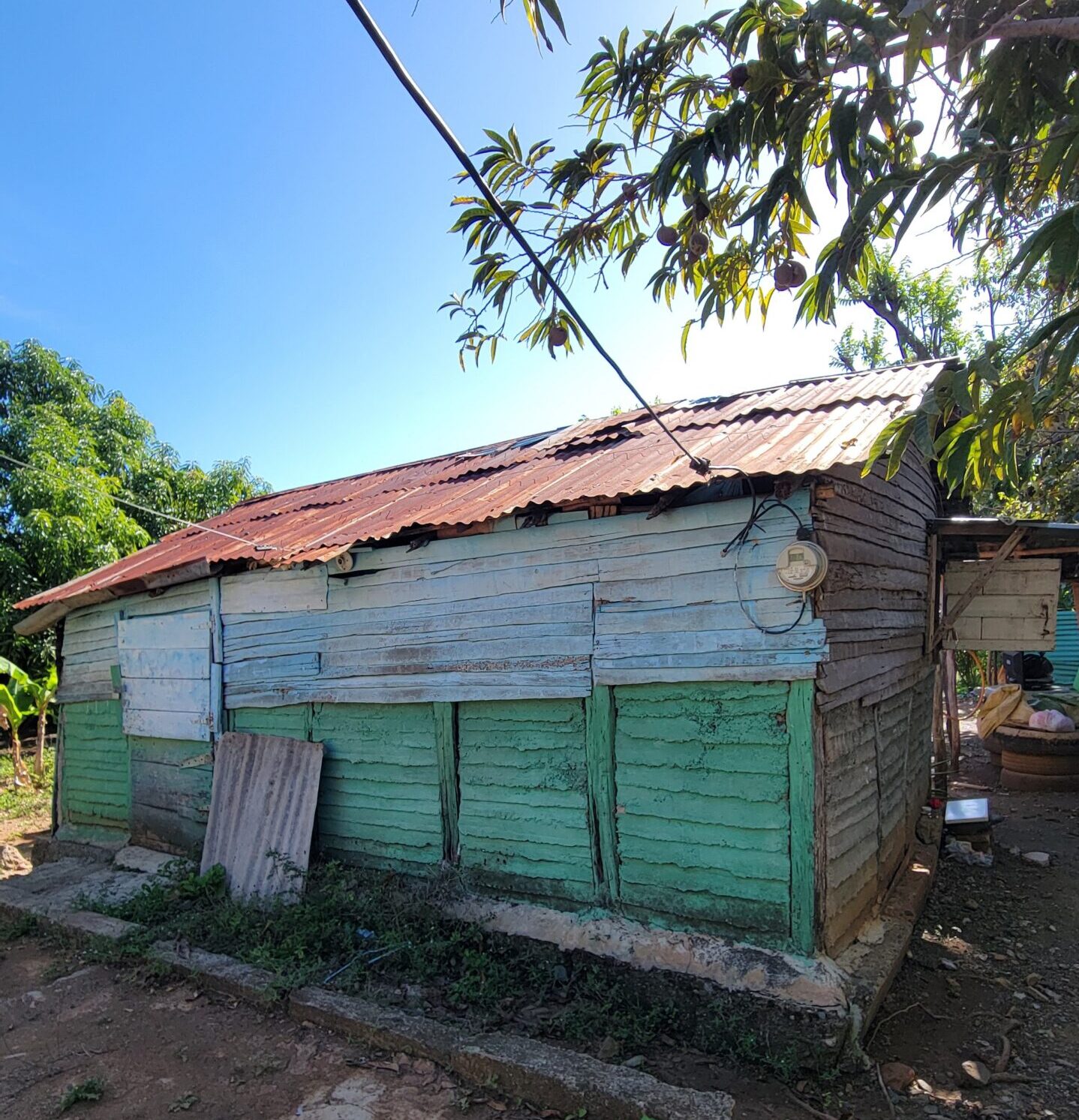
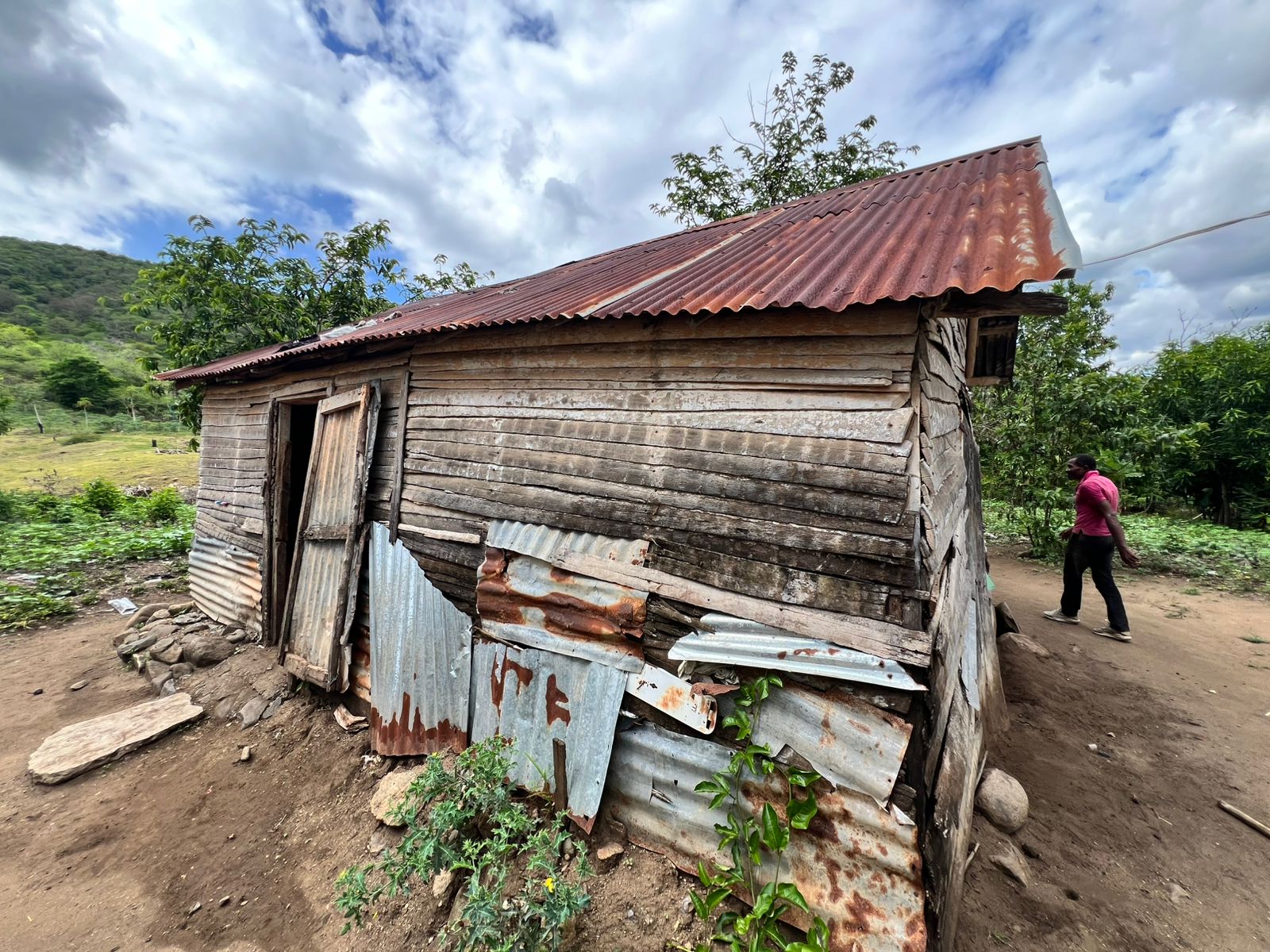
Her current home is in poor condition and has deteriorated over time. When it rains, water enters the house, making daily life uncomfortable and unsafe for her family.
Her daily routine is centered around both her work and caring for her children. She leaves home early to fulfill her responsibilities and returns later in the day, while also ensuring her youngest child attends school and receives the care she needs.
A new home would bring a significant improvement to their lives. It would provide a safer, more stable environment, especially during rainy days, and offer more space and comfort for her family.
For Adriana, this change represents peace of mind, better living conditions, and a more secure future for her children.


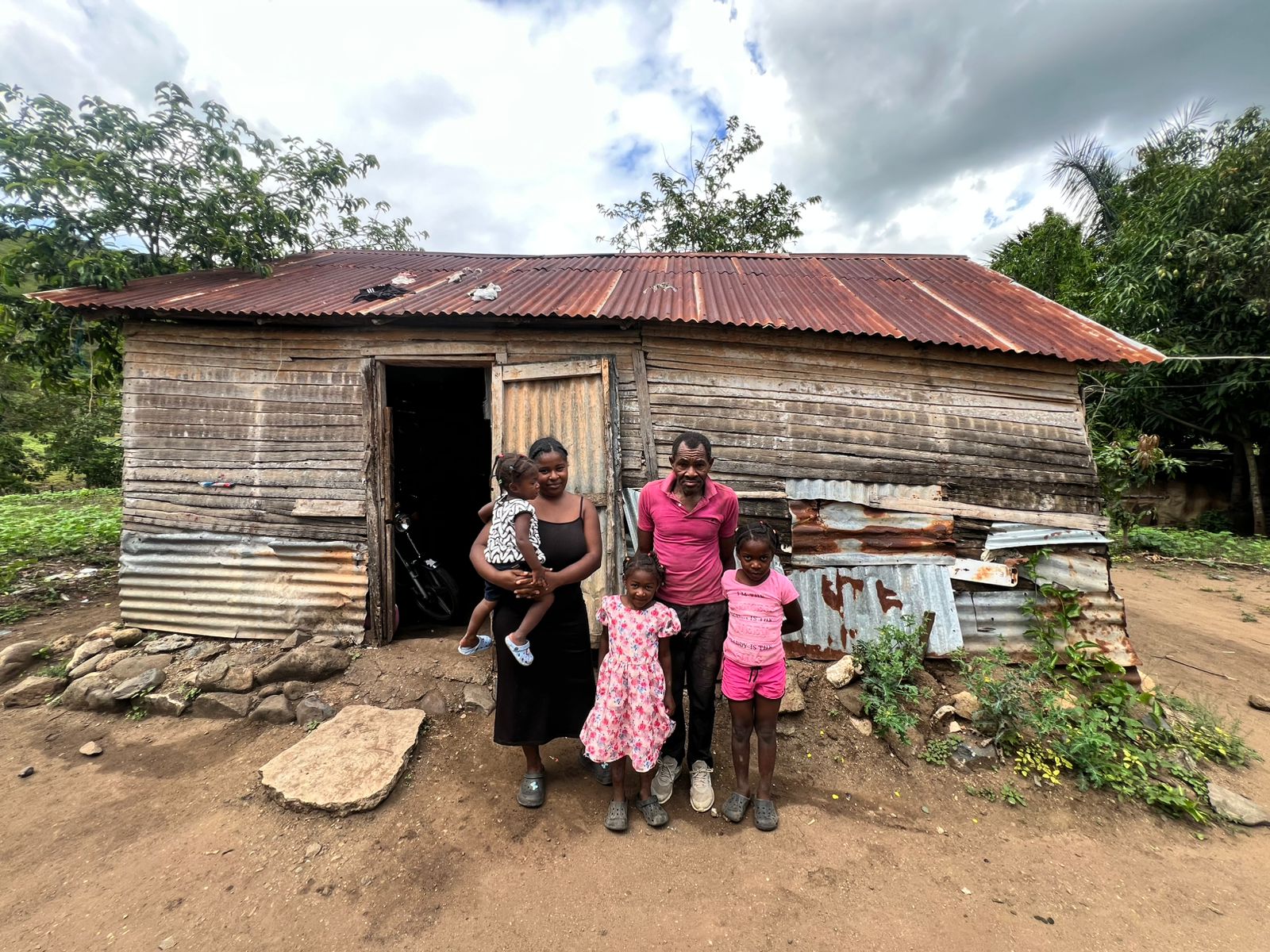
Modesto Reyes and his family have lived in the community of El Guanal for the past seven years. Their home sits on land passed down through family, a place that holds deep personal meaning and connection.
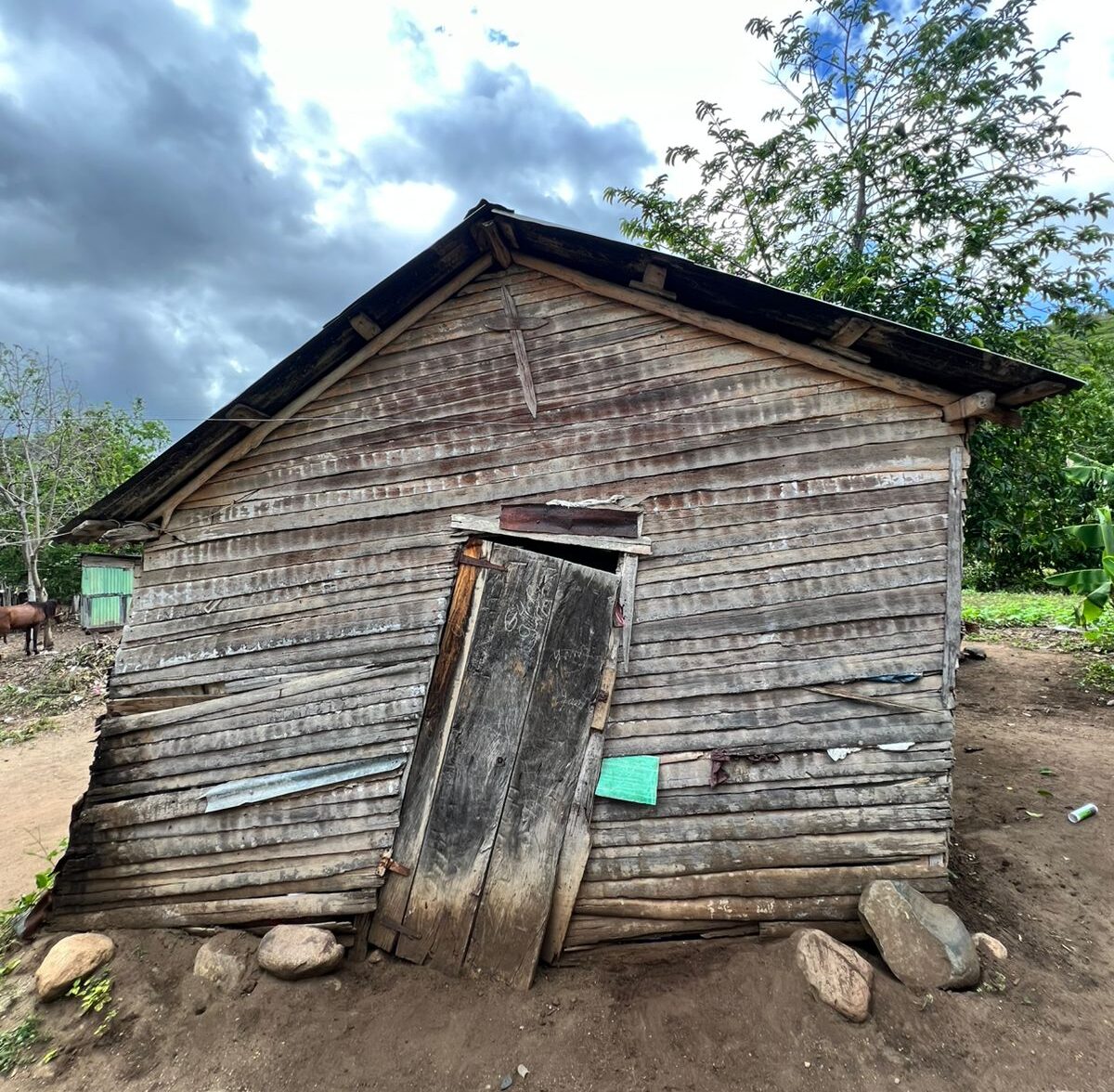
Despite having a place to call their own, their current living conditions are extremely fragile. The structure of their home has deteriorated over time and is now at risk of collapsing. With each passing day, the family faces uncertainty, knowing that a strong wind could bring it down.
This instability affects their sense of safety and peace. What should be a secure space has instead become a source of concern.
Modesto and his family continue to endure these conditions with resilience, but the need for a safe and stable home is urgent.
A new house would provide more than shelter — it would offer protection, security, and the opportunity to live without the constant fear of losing their home.
For this family, a home represents stability, dignity, and the chance to build a safer future.

Euclides Montero Monthero is a university student, translator, and entrepreneur. He was born in Hondo Valle of the Elías Piñas province near the Haitian border on September 1, 1989.
He is the 4th of nine siblings and is now a husband and father himself, a proud dad of three sons. Euclides' hobbies and activities also include sports, farming, and producing coffee.

San Juan de la Maguana is located in the western region of the Dominican Republic and sits in a broad valley surrounded by mountain ranges. Known as the country’s agricultural heartland, approximately 85% of the province’s land is dedicated to farming, particularly beans, rice, and corn. The region’s fertile soil and open plains make it a vital contributor to the Dominican Republic’s food supply.
The climate is generally hot and sunny, with average daytime temperatures around 85°F (29°C). Due to its elevation and surrounding mountains, evenings tend to be cooler, especially after sunset. Rainfall is seasonal, resulting in lush, green landscapes during the rainy months and drier conditions at other times of the year.
San Juan is a predominantly rural province with limited infrastructure, simpler accommodations, and fewer commercial amenities. Visitors should be prepared for basic conditions, intermittent electricity, and limited internet access.